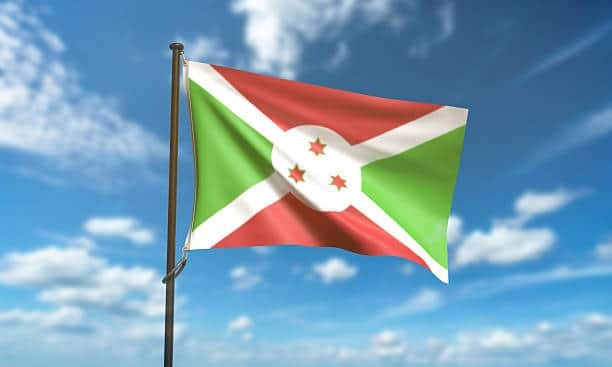
Burundi, a small landlocked nation in East Africa, carries a long and layered history shaped by ancient kingdoms, European colonization, ethnic complexities, and the struggle for political stability. Despite its modest size, Burundi’s past is rich with cultural depth, royal traditions, and stories of resilience. Its journey—from early settlements and powerful monarchs to independence and modern political challenges—reveals a country that has continuously fought to preserve its identity.
Early Settlement and Formation of the Kingdom
The earliest known inhabitants of the region that is now Burundi were the Twa, a small hunter-gatherer community considered one of the oldest ethnic groups in Central Africa. Over time, between the 10th and 15th centuries, two major groups migrated to the area:
• The Hutu, primarily agriculturalists
• The Tutsi, who arrived later as pastoralists
These groups did not initially live in isolation or strict separation. Instead, they evolved together in social and economic interdependence. Differences existed but were not sharply conflict-based. Social mobility was possible, and identity often blended based on economic roles rather than strict ethnic definitions.
By the 16th century, powerful clans and chiefs began consolidating influence, ultimately forming the Kingdom of Burundi, ruled by a monarch known as the Mwami. This kingdom became one of the strongest and most centralized in the Great Lakes region.
The Reign of the Mwami and Royal Institutions
The monarchy played a central role in shaping Burundi’s cultural and political life. The Mwami, believed to have divine authority, was supported by a network of chiefs and princes. The royal court preserved a strong tradition of governance, rituals, and social structure.
Key royal functions included:
1. National Unity
The monarchy acted as a symbol of unity among ethnic groups. Even though the Tutsi elite often held leadership roles, the system included Hutu chiefs and allowed for relative coexistence for centuries.
2. Land and Cattle Management
The king and chiefs regulated land distribution, cattle ownership, and local disputes, stabilizing agricultural and pastoral activities.
3. Cultural Heritage
Traditional drumming, royal dances, and ceremonies became important aspects of Burundian identity. The famous Burundi Royal Drummers (Abatimbo) emerged from this era, now recognized worldwide.
By the 19th century, Burundi was a well-established kingdom, resisting regional conflicts and external threats through discipline, diplomacy, and a strong royal hierarchy.
First Contact With Europeans
European explorers arrived in the late 19th century, and Burundi soon became entangled in colonial ambitions. During the 1884–85 Berlin Conference—where African territories were divided among European powers—Germany took control of Burundi as part of German East Africa.
German Rule (1890–1916)
German administration in Burundi was relatively indirect. They relied heavily on the existing monarchy and local chiefs to maintain order. Although German presence brought some administrative changes, the traditional system of governance largely survived under indirect rule.
However, Germany’s involvement also began shaping ethnic classifications more rigidly, influenced by European racial theories.
Belgian Rule and Institutional Changes
After Germany’s defeat in World War I, Burundi (along with Rwanda) was transferred to Belgian control under a League of Nations mandate. It became part of Ruanda-Urundi, administered from modern Rwanda.
Impact of Belgian Administration (1916–1962)
Belgian rule had deep and long-lasting effects:
1. Rigid Ethnic Identity
The Belgians introduced ethnic identity cards, officially separating Hutu, Tutsi, and Twa into fixed categories. This intensified divisions that had not been so rigid earlier.
2. Education and Power Structure
Belgian policies favored the Tutsi minority in education and administrative roles, which created long-term social imbalances and tensions.
3. Economic Changes
Cash crops such as coffee became central to the economy, increasing dependence on colonial markets.
Despite tensions, the monarchy remained in place, and Burundians continued pushing toward independence.
Path to Independence
Following World War II, African nationalism grew across the continent. In Burundi, political parties and youth movements demanded freedom from colonial rule. The two major political players became:
UPRONA (Union for National Progress), led by Prince Louis Rwagasore
PDC (Christian Democratic Party), backed by Belgium
Prince Rwagasore became the face of Burundi’s independence struggle, promoting unity, anti-colonial resistance, and national self-determination.
Independence Declared in 1962
On 1 July 1962, Burundi became fully independent from Belgium. It adopted a constitutional monarchy under Mwami Mwambutsa IV.
Shortly afterward, Prince Rwagasore—who would have been the country’s first post-independence leader—was assassinated, leading to lasting political instability.
Post-Independence Crises and the Abolition of the Monarchy
The years after independence were marked by political tension and ethnic violence, shaped by both colonial legacies and power struggles.
Major Turbulent Events
1965: Failed Hutu Coup Attempt
A series of coups and counter-coups increased mistrust among communities.
1972: Major Ethnic Violence
A catastrophic conflict between Hutu and Tutsi groups resulted in large-scale loss of life and deepened national trauma.
1993: Assassination of First Democratically Elected President
In 1993, Melchior Ndadaye, the first elected Hutu president, was assassinated after only months in office. This triggered a devastating civil war lasting more than a decade.
Burundi’s Long Civil War (1993–2005)
The civil war between government forces and rebel groups caused widespread destruction and displacement. Peace efforts, supported by regional and international mediators, finally succeeded with the Arusha Peace Agreement.
In 2005, Burundi adopted a new constitution focused on ethnic power-sharing. Pierre Nkurunziza was elected president, marking the start of reconstruction and fragile stability.
Modern Burundi: Challenges and Hope
Burundi has faced political tension in recent years, especially after debates around presidential re-elections in 2015. Despite economic challenges, the country continues working toward stability, development, and reconciliation.
Today, Burundi is known for its cultural richness, traditional drumming, breathtaking landscapes, and strong community life. Though its past has been difficult, the spirit of the Burundian people remains resilient.