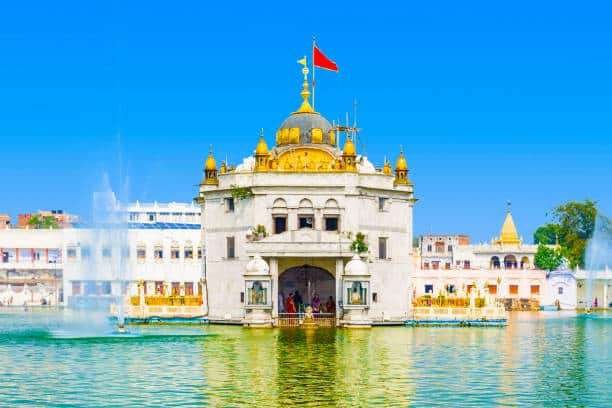
Introduction to Durgiana Mandir
Durgiana Mandir, a revered Hindu temple located in Amritsar, Punjab, holds immense religious significance for the local populace and visitors alike. Constructed in the early 20th century, this shrine is dedicated to Goddess Durga and symbolizes the fusion of architectural grandeur and spiritual devotion. Much like the Golden Temple, which is closely associated with Sikhism, Durgiana Mandir serves as a pivotal site for Hindu devotees and pilgrims, contributing to the rich tapestry of Amritsar’s cultural landscape.
The temple not only serves as a place of worship but also stands as a testament to the intricate artistry and craftsmanship prevalent in the region. Its design draws inspiration from various architectural styles, blending elements of Hindu and Mughal influences, which is evident in the ornate structures and the picturesque surroundings. This unique composition further enhances its appeal, making it an integral part of Amritsar’s historical narrative.
Durgiana Mandir is more than just a religious edifice; it plays a significant role in community gatherings and festivals, acting as a center for cultural exchange. Events and rituals conducted within its precincts foster a sense of unity among devotees, embodying the temple’s function as a communal hub. Pilgrims flock to this sacred site not only to seek blessings but also to immerse themselves in the vibrant traditions and festivities that characterize Hindu culture.
In essence, Durgiana Mandir is a vital pilgrimage site that offers an enriching experience for those who visit. Its deep-rooted history and spiritual importance underscore its status as one of India’s cherished temples, attracting thousands of individuals throughout the year who seek solace and spiritual rejuvenation.
Historical Background of Durgiana Mandir
Durgiana Mandir, a revered Hindu temple situated in Amritsar, Punjab, holds significant historical and cultural importance in the region. The temple, dedicated to Goddess Durga, was originally constructed in the early 20th century, with its foundation laid in 1921 by the renowned philanthropist and social reformer, Maharaja Adhiraj Hari Singh. Its architectural design reflects the Indo-Saracenic style, characterized by a harmonious blend of Hindu, Mughal, and Gothic elements, which not only appeals aesthetically but also signifies the syncretic culture of the region.
The temple complex is often compared to the Golden Temple due to its similar layout and is built on the lines of the famous shrine of Amritsar. Surrounding the central sculpture of Goddess Durga, intricate patterns and motifs embody a rich narrative tradition, showcasing the artistry of the builders. Notably, the temple features striking carvings and vibrant frescoes, all of which contribute to its architectural allure.
Over the years, Durgiana Mandir has hosted numerous religious events and ceremonies, drawing devotees from various parts of the country. One notable event in its history was the devastating fire that occurred in 1955, which led to significant restoration efforts overseen by dedicated local communities. These initiatives not only helped preserve the temple’s physical structure but also reinforced its spiritual significance among pilgrims.
Legends surrounding the Durgiana Mandir depict tales of divine intervention and miracles attributed to the Goddess, enhancing its reputation as a spiritual haven. The evolving narrative of the temple reflects the changing sociocultural landscape surrounding it, showcasing how Durgiana Mandir has adapted and flourished over time. Today, it stands not only as a place of worship but also as a testament to the rich historical tapestry of Amritsar.
Architectural Features of Durgiana Mandir
Durgiana Mandir, located in the heart of Amritsar, is a prime example of revelatory architectural brilliance that reflects the rich heritage of the region. Built in the early 20th century, this temple complex features a unique blend of Hindu and Islamic architectural styles, making it a remarkable site for visitors and architectural enthusiasts alike.
The most striking element of Durgiana Mandir is its extraordinary exterior, adorned with intricate marble carvings and sculptures. These carvings depict various deities and celestial beings, characterized by detailed craftsmanship that is often found in traditional Indian temples. Unlike many others, Durgiana Mandir incorporates a series of domes, similar to those seen in Sikh architecture, which further enhances its grandeur and sets it apart from other temples in India.
The temple’s main sanctum, which houses the idol of Goddess Durga, is approached via a beautifully designed entrance adorned with artistic motifs. The interiors are equally captivating, with walls embellished in vibrant colors and murals that narrate stories from Hindu mythology. The marble floor, intricately inlaid with colorful patterns, adds to the temple’s aesthetic value, attracting countless pilgrims and tourists.
Another unique feature of Durgiana Mandir is the surrounding sacred water tank, which is akin to the Amrit Sarovar of the Golden Temple nearby. This water tank not only enhances the central structures’ reflection but also serves as a serene space for devotees engaging in prayer and meditation.
Overall, the architectural design of Durgiana Mandir encapsulates a fusion of regional influences and historical significance. It stands as a testament to the artistic heritage and spiritual legacy of Amritsar, making it a noteworthy destination for those exploring the spiritual landscape of India.
The Religious Significance of Durgiana Mandir
Durgiana Mandir, an esteemed Hindu temple located in Amritsar, Punjab, holds profound religious significance for countless devotees. The temple is dedicated primarily to Goddess Durga, embodying strength and resilience, which resonates deeply within the spiritual lives of worshippers. Alongside Goddess Durga, the temple also honors Lord Rama, Lord Krishna, and various other deities, establishing it as a significant site for multifaceted Hindu worship.
The Durgiana Mandir is not only a sanctuary of spiritual solace but also a vibrant venue for numerous religious rituals and practices. Daily rituals, including the recitation of sacred texts and singing of hymns, are integral to the temple’s activities, drawing in a steady stream of devotees seeking divine blessings. During the festival of Navratri, the temple comes alive with fervor as devotees participate in nine nights of celebration, honoring the goddess through dance, music, and fasting. This reinforces the temple’s role as a vital contributor to the preservation of Hindu traditions.
Moreover, the temple’s architecture, reminiscent of the Golden Temple, adds to its sanctity, providing an inviting atmosphere for meditation and reflection. Engaging with this sacred space, devotees often experience a sense of belonging and spiritual rejuvenation. The presence of countless pilgrims and tourists further emphasizes Durgiana Mandir’s importance, exhibiting a confluence of local and cultural traditions that enrich the temple’s significance.
Overall, Durgiana Mandir serves as a beacon of faith for many, embodying the essence of devotion and the rich tapestry of rituals that characterize Hindu practices. This temple stands as a testament to the undying spirit of spirituality that thrives in the region, welcoming all in their quest for tranquility and divine connection.
Visitor Information: How to Reach Durgiana Mandir
Located in the heart of Amritsar, Durgiana Mandir attracts numerous visitors each year, making access to this revered site convenient. The temple is approximately 2 kilometers away from the Amritsar Railway Station and around 10 kilometers from Raja Sansi International Airport, providing a variety of transport options for travelers.
For those relying on public transport, local buses and auto-rickshaws serve as effective means to reach Durgiana Mandir. Numerous bus routes connect the temple to key points in the city, ensuring easy accessibility. Auto-rickshaws are readily available and offer a faster alternative, costing a small fare for a short journey. Taxis can also be hired from taxi stands or booked via various ride-sharing apps, providing a comfortable option for families or groups.
Travelers opting for personal vehicles will find Durgiana Mandir easily reachable from most parts of the city. Ample parking space is available nearby, allowing visitors to park their vehicles conveniently while they explore the temple grounds. The temple is well-marked, and the journey through the bustling streets of Amritsar showcases the vibrant culture of the region.
In addition to the spiritual allure of Durgiana Mandir, visitors can explore nearby attractions such as the historic Jallianwala Bagh and the Golden Temple, both located within a short distance. These sites contribute to a rich itinerary for anyone wanting to immerse themselves in the historical fabric of Amritsar.
By planning your visit to include these convenient transportation options and nearby sites, you can enhance your experience at Durgiana Mandir, ensuring a memorable journey through this significant cultural landmark in Punjab.
Best Times to Visit Durgiana Mandir
Visiting Durgiana Mandir offers a unique glimpse into the spiritual heritage of Amritsar, and the timing of your visit can significantly enhance your experience. The best times to visit this prominent temple are during the cooler months of October to March. During this period, the weather is more pleasant, allowing for comfortable exploration of the temple grounds and surrounding areas.
In particular, the months of November to February see a significant influx of tourists owing to the pleasant climate and the festival season. Visitors can witness the temple in its resplendent glory during major religious festivals, such as Diwali and Gurpurab. These celebrations often feature special prayers, lighting decorations, and cultural performances, captivating many pilgrims and tourists alike. Additionally, the temple’s architecture and surrounding landscapes are particularly picturesque during the winter, making it an ideal time for photography.
Conversely, the summer months from April to June can be quite hot, with temperatures soaring above 40°C (104°F). This can lead to discomfort for visitors, making temple exploration less enjoyable. However, if one chooses to visit during these months, early mornings or late evenings are recommended to avoid the peak heat. Another consideration is the monsoon season, which lasts from late June to September. While the rains can create a lush, green environment, they can also lead to disruptions in travel and accessibility issues around the temple.
To experience Durgiana Mandir in its full glory, it is advisable to plan your visit coinciding with the cooler, festive seasons. This not only enhances the spiritual experience but also allows for more enriching interactions with fellow pilgrims, all while basking in the unique ambiance of the temple during its most vibrant times.
Nearby Attractions and Activities
When visiting Durgiana Mandir in Amritsar, one is presented with an array of nearby attractions that further enrich the cultural experience of travelers. One of the most prominent sites is the Golden Temple, also known as Harmandir Sahib. Less than two kilometers away, this sacred Sikh shrine dazzles with its stunning architecture and spiritual ambiance. As one of the most recognized religious places in the world, the Golden Temple attracts millions of visitors each year. The serene Sarovar surrounding it offers a perfect spot for contemplation and photography, allowing visitors to absorb its tranquil atmosphere.
Another significant location to explore is Jallianwala Bagh, located merely a short distance from the Golden Temple. This memorial park commemorates the tragic massacre of 1919, where British troops opened fire on a peaceful gathering of Indians. The site bears deep historical significance and serves as a poignant reminder of the struggle for independence. Within the park, visitors can discover the memorial fountain and the preserved legacy of those who lost their lives, encouraging reflection on the country’s past.
In addition to historical sites, the vibrant local markets surrounding Durgiana Mandir offer unique shopping opportunities. Explore the bustling corridors of Hall Bazaar, where one can find traditional Punjabi artifacts, including handmade crafts, Juttis (Punjabi shoes), and vibrant textiles. The lively atmosphere, filled with the aroma of local street food, enhances the shopping experience. Engaging with local vendors and experiencing the culture firsthand is undoubtedly a highlight of any visit to Amritsar.
Together, these nearby attractions and activities create a comprehensive cultural tapestry for visitors to enjoy, showcasing Punjab’s rich history and vibrant contemporary life.
Cultural Insights and Local Customs
The Durgiana Mandir, a significant Hindu temple in Amritsar, stands as a symbol of not only religious devotion but also the rich tapestry of local culture and customs. Visitors to the temple should be aware of various practices that reflect the customs ingrained in the local populace. One prominent aspect is the dress code. It is customary for both men and women to wear modest clothing when entering the temple. Women are often encouraged to wear salwar kameez or skirts that cover the legs, while men should avoid shorts. This adherence to modesty helps maintain the sanctity of the temple and is a sign of respect towards the sacred environment.
Additionally, before entering the temple complex, devotees and visitors are expected to remove their shoes. This practice symbolizes leaving behind the material world and approaching the divine with humility. As visitors step onto the temple grounds, they may also notice the practice of covering one’s head, a sign of respect that is common in many Indian religious sites. Therefore, it is advisable for men to wear a turban or scarf, while women may choose to use a dupatta or shawl.
Another important custom involves participation in prayers and rituals. Visitors are encouraged to observe and, if comfortable, partake in the activities occurring at the temple. Respecting the pace and solemnity of these customs helps in blending seamlessly with the local culture. Additionally, offering prasad (blessed food) is a common practice among the devotees. This act illustrates the importance of sharing and gratitude within the community.
Encountering local vendors selling religious paraphernalia and offerings is another cultural insight. Visitors should engage politely, as bargaining may be customary. Being aware of these local practices by respecting the traditions and behaviors ensures a more fulfilling and culturally rich experience at the Durgiana Mandir.
Conclusion: The Spiritual Essence of Durgiana Mandir
Visiting Durgiana Mandir is not merely an excursion into the past; it is an experience that resonates deeply with the spiritual traditions of Amritsar and Punjab. This temple, dedicated to Goddess Durga, stands not only as a stunning architectural marvel but also as a symbol of the collective faith and unity of the local community. The intricate carvings, serene atmosphere, and the rituals taking place create an inviting ambiance that captivates visitors and locals alike.
The significance of Durgiana Mandir transcends its architectural brilliance. As a pivotal spiritual site, it plays a crucial role in the lives of many, serving as a place for reflection, worship, and togetherness. The temple’s vibrant surroundings, filled with devotional music and the scent of incense, further enrich the atmosphere, allowing visitors to immerse themselves in the spiritual essence of this sacred space.
Moreover, the communal activities at Durgiana Mandir foster a sense of belonging and reinforce the importance of spirituality in daily life. It is not just an individual’s spiritual journey; it is also a collective pilgrimage for those who gather here, drawing strength and inspiration from their shared faith. This interconnectedness emphasizes how Durgiana Mandir is a core aspect of Amritsar’s cultural landscape, bridging the gap between tradition and modernity.
In conclusion, a visit to Durgiana Mandir is indeed a journey into the heart of Amritsar’s spiritual heritage. Its role as a temple reflects the rich tapestry of beliefs and practices that continue to thrive within this vibrant city. Whether you are seeking solace, community, or a deeper understanding of spirituality, Durgiana Mandir stands as a testament to the enduring power of faith and the unity it fosters among its followers.
