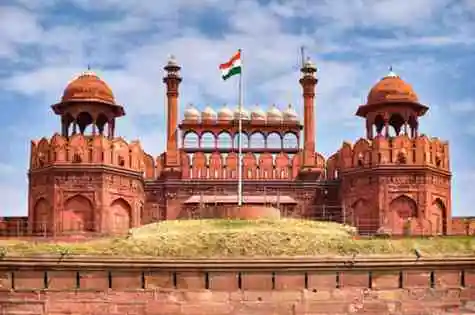
Introduction to the Red Fort
The Red Fort, known as Lal Qila in Hindi, is an iconic symbol of India’s rich history and cultural heritage. Located in the heart of Delhi, this remarkable fortification was constructed in the mid-17th century under the reign of Mughal Emperor Shah Jahan. It served as the main residence of the Mughal emperors for nearly 200 years, playing a pivotal role in shaping India’s historical narrative. The fort was designated a UNESCO World Heritage Site in 2007, recognizing its significant architectural and cultural value.
Renowned for its stunning red sandstone walls that rise majestically to approximately 33 meters (108 feet) at its highest point, the fort’s impressive architecture blends Persian, Timurid, and Indian styles, which is a hallmark of Mughal construction. Visitors are greeted by a grand entrance known as the Lahori Gate, which leads into a complex of various courtyards, gardens, and structures designed not only for defense but also for display of beauty and artistic craftsmanship.
The Red Fort is also home to lush gardens and intricate waterworks that reflect the Mughal’s deep appreciation for nature and aesthetics. Among its notable features are the Diwan-i-Aam and Diwan-i-Khas, which served as venues for public and private audiences, respectively. Each stone of the fort holds tales of power, glory, and the eventual decline of an era where Mughal emperors ruled with grandeur.
Today, the fort stands as a testament to India’s historical significance, attracting millions of visitors each year who come to marvel at its architecture and delve into its storied past. The Red Fort not only represents a piece of India’s rich cultural tapestry but also continues to be a symbol of national pride, particularly during annual celebrations such as Independence Day where the Prime Minister hoists the national flag atop its ramparts.
History of the Red Fort
The Red Fort, a UNESCO World Heritage site, was constructed between 1638 and 1648 under the reign of Mughal Emperor Shah Jahan. The fort’s design, attributed to architect Ustad Ahmad Lahori, reflects the zenith of Mughal architecture, combining Persian, Timurid, and Indian influences. Built primarily from red sandstone, it served as the emperors’ main residence in Delhi and is an enduring symbol of India’s rich historical legacy.
The fort’s inception coincided with Shah Jahan’s decision to move the capital from Agra to Delhi, marking the beginning of a new era in Mughal history. The initial construction stage was completed after a decade, showcasing a blend of grandeur and sophistication. The fort was not only a military stronghold but also a center of political and cultural activities, hosting royal ceremonies and significant events.
Throughout its history, the Red Fort has witnessed many pivotal moments. After the decline of the Mughal Empire, the fort changed hands multiple times, enduring invasions and undergoings like the First War of Indian Independence in 1857, which led to significant alterations and loss of its former glory. Despite the subsequent colonial rule, the fort remained an important symbol of resistance and national pride.
In the modern era, the Red Fort has become synonymous with India’s struggle for freedom. Every year, on Independence Day, the Prime Minister hoists the national flag from its ramparts, a tradition that reignites the fort’s historical significance and connects contemporary India with its past. With figures like Shah Jahan and the subsequent emperors playing critical roles in its history, the Red Fort stands as a poignant reminder of India’s royal heritage, architectural brilliance, and its enduring legacy throughout changing times.
Architecture and Design
The architectural marvel of the Red Fort stands as a testament to the rich history and artistry of Mughal design. Constructed in the mid-17th century, this UNESCO World Heritage Site exemplifies the fusion of various architectural styles, including Persian, Timurid, and Indian influences. Such a synthesis not only enhances the fort’s grandeur but also encapsulates the cultural ethos of its time.
One of the most notable features of the Red Fort is the Diwan-i-Aam, or Hall of Public Audience. This expansive hall showcases stunning red sandstone pillars adorned with exquisite carvings, where emperors would address the common populace. The intricately designed ceilings and spacious layout provide an insight into the architectural ingenuity of the era, emphasizing both functionality and aesthetics.
Contrastingly, the Diwan-i-Khas, or Hall of Private Audience, epitomizes luxury and exclusivity. Here, the use of marble interlaced with precious stones such as lapis lazuli and malachite reflects the opulence associated with Mughal rule. The central throne platform and intricately crafted pillars illustrate the meticulous craftsmanship that defines this period in architectural history.
The fort’s intricate carvings and inlay work signify the artisans’ skills, with floral patterns and geometric shapes prevalent throughout various structures within the compound. These elements not only serve decorative purposes but also symbolize the connection of nature with the divine, a recurrent theme in Mughal architecture. Each design feature contributes to the overall tapestry of the Red Fort, making it a masterpiece of architectural brilliance.
The harmonious blend of diverse styles within the Red Fort serves as a reminder of India’s rich cultural heritage and the artistic dialogue between different civilizations. The fort remains an enduring symbol of the Mughal empire’s grandeur and its influence on subsequent generations of architects and artists.
Visiting Hours and Best Time to Visit
The Red Fort, a UNESCO World Heritage Site and a symbol of India’s rich history, is open to visitors throughout the week. Its operating hours are generally from 9:30 AM to 4:30 PM, providing ample opportunity to explore its magnificent architecture and gardens. It is advisable for visitors to plan their visit during these hours to make the most of their experience.
As for entry fees, Indian citizens are usually required to pay a nominal fee, while foreign tourists are charged a slightly higher amount. Additionally, there is a small charge for camera equipment, which is essential for capturing the fort’s grandeur. Given the size and importance of the fort, it is recommended to allocate a minimum of two to three hours for a comprehensive visit. This duration allows visitors to appreciate the intricate artwork, listen to tour guides, and soak in the historical significance of the site.
The best time to visit the Red Fort is during the cooler months, specifically from October to March. During this period, the weather in Delhi is pleasant, making it optimal for sightseeing and outdoor activities. The peak tourist season typically occurs during December and January, attracting larger crowds. Therefore, planning a visit either in October, November, or February can help avoid throngs of tourists while still enjoying favorable weather conditions.
Visiting during the evenings can also be a delightful experience, as the fort is illuminated beautifully, showcasing its architectural brilliance. Regardless of when one decides to visit, the Red Fort promises an unforgettable journey into the heart of India’s historical legacy.
The Red Fort, with its stunning architecture and rich history, offers a wide array of activities for visitors to engage in, both within its walls and in the vibrant surroundings. A guided tour is a highly recommended way to explore the fort. Knowledgeable guides provide insights into the fort’s intricate design, historical significance, and anecdotes about its past inhabitants, making the visit more enriching. Audio guides are also available for those who prefer to explore at their own pace while still learning about the significant elements of the fort.
In addition to the architectural tour, the Red Fort frequently hosts cultural performances that celebrate Indian heritage. These events often include traditional music and dance, allowing visitors to immerse themselves in the cultural tapestry that characterizes this remarkable site. These performances typically take place in the evenings, enhancing the overall experience of the fort with vibrant displays of art and culture.
For history enthusiasts, there are opportunities to witness historical reenactments that depict significant events related to the fort, providing a theatrical glimpse into its storied past. Such activities are not only entertaining but also educational, offering a deeper understanding of the fort’s role in Indian history.
Beyond the confines of the Red Fort, visitors can explore nearby attractions such as Jama Masjid, one of the largest mosques in India. The bustling markets of Chandni Chowk are also a must-visit, providing a sensory overload with their myriad shops, street foods, and local goods. Engaging in these activities allows visitors to fully experience the local culture and lifestyle.
In summary, the Red Fort and its surroundings present a multitude of engaging activities that cater to various interests, ensuring a memorable visit for all. Whether through guided tours, cultural performances, or nearby explorations, the site offers an enriching journey through India’s historical landscape.
Tips for Tourists
Visiting the majestic Red Fort requires some planning to ensure a rewarding experience. First and foremost, it is advisable to wear comfortable clothing, as you will be walking extensively throughout the fort’s sprawling grounds. Lightweight, breathable fabrics are ideal, particularly if you plan to visit during the warm months. A good pair of walking shoes is essential to navigate the various terrains and prevent discomfort.
Photography enthusiasts will find the Red Fort a treasure trove of picturesque landscapes and historical architecture. To capture the best shots, consider arriving early in the day or late in the afternoon when the lighting is softer and more flattering. Tripods are allowed in many areas, but be mindful of restrictions in certain sections. Always seek permission before taking photographs of individuals, particularly in crowded areas where privacy may be a concern.
Safety should be a priority while exploring the fort. Keep your belongings secure and be cautious of your surroundings, especially in crowded spaces. It is also recommended to stay hydrated, particularly during the summer months. Carry a water bottle with you and take breaks to rest in shaded areas to avoid exhaustion.
A guided tour can greatly enhance your visit, providing insights into the fort’s rich history and architectural significance. Alternatively, informative audio guides are available which can be a cost-effective way to learn about the various sights at your own pace. To navigate the massive grounds efficiently, consider obtaining a map at the entrance, outlining key attractions such as the Diwan-i-Aam and Diwan-i-Khas.
Lastly, plan your visit in advance, allowing for sufficient time to explore the Red Fort and its surroundings. Following these tips will help you make the most of your time at this UNESCO World Heritage Site, ensuring a memorable journey through India’s vibrant history.
Nearby Attractions
Visitors to the Red Fort are often captivated not only by its grandeur but also by the numerous attractions that lie within walking distance. One of the most prominent nearby sites is the Jama Masjid, which is one of the largest mosques in India. Situated just a short distance from the fort, Jama Masjid is a magnificent example of Mughal architecture, featuring intricate carvings and stunning red sandstone. It can be easily reached within a 15-minute walk, making it a perfect addition to any cultural itinerary.
Another significant attraction is Chandni Chowk, a bustling market area that reflects the vibrant life of Old Delhi. Known for its diverse array of shops and street food vendors, Chandni Chowk is famous for traditional Indian sweets, local handicrafts, and clothing. Visitors can enjoy a stroll through its narrow lanes, sampling culinary delights and immersing themselves in the local culture. The market is also approximately a 10-minute walk from the Red Fort, making it a convenient stop during your exploration.
The Raj Ghat is yet another notable nearby destination, serving as the memorial to Mahatma Gandhi. Located within 2 kilometers of the Red Fort, this serene park is dedicated to the father of the nation and is a place for reflection and homage. Visitors can learn about Gandhi’s life and legacy while enjoying the tranquil environment. A short rickshaw ride or a 30-minute walk can lead you to this peaceful site, providing a meaningful conclusion to your day of touring historical attractions.
These nearby attractions complement the experience of visiting the Red Fort, allowing travelers to delve deeper into Delhi’s rich cultural heritage and historical significance.
How to Get There
Reaching the Red Fort, one of India’s most iconic historical sites, can be a seamless experience with various transportation options available. For visitors utilizing public transit, the Delhi Metro is a convenient choice. The nearest metro station is Lal Qila, located on the Violet Line, which is within walking distance of the fort. Once you arrive at Lal Qila station, you will find clear signage directing you towards the fort, allowing for easy navigation.
In addition to the metro, several public bus routes service the area surrounding the Red Fort. The Delhi Transport Corporation operates numerous buses that pass nearby, making it accessible from different parts of the city. Depending on your starting point, it is advisable to check the latest schedules and routes for the most efficient journey.
For those preferring a more direct approach, taxi and ride-sharing services such as Uber and Ola are widely available in Delhi. These options are especially convenient for travelers with luggage or those seeking a quicker and more comfortable ride. Just enter “Red Fort” as your destination, and the app will guide the driver to this majestic location.
Visitors who are considering driving to the Red Fort should note that parking is available in designated areas near the entrance. However, the traffic in Old Delhi can be quite dense, especially during peak hours. It is advisable to plan your visit during off-peak times to avoid delays. Furthermore, some roads may be restricted for vehicles, so keeping an eye on local signage is essential.
Regardless of your mode of transportation, reaching the Red Fort can be easily accomplished, ensuring that you arrive ready to explore this stunning example of Mughal architecture and rich history.
Conclusion and Reflection on Visiting the Red Fort
Visiting the Red Fort is an enriching experience that transcends mere sightseeing. This iconic UNESCO World Heritage Site stands as a testament to India’s rich history and colorful cultural heritage, making it a pivotal stop for any traveler seeking to understand the intricacies of Mughal architecture and history. As you walk through its impressive gates, you are not merely observing a structure; you are stepping into the pages of history, where every stone and arch carries tales of the past.
The grandeur of the Red Fort is accompanied by the serene beauty of its gardens, the echo of bygone royal celebrations, and the intricate artistry displayed throughout its complexes. Tourists are encouraged to take their time as they explore the fort’s various sections, each telling a different story that contributes to its historical significance. From the majestic Diwan-i-Aam to the opulent private quarters of royalty, every corner invites reflection and admiration.
Moreover, engaging with the local guides can enhance the experience, providing deeper insights into the fort’s history and its impact on Indian culture. The amalgamation of architectural brilliance with historical relevance offers a rich narrative that resonates with visitors from all walks of life. As one reflects on their visit to the Red Fort, it becomes evident that it represents more than just an architectural marvel; it embodies the spirit of a nation forged through diverse influences.
In conclusion, the Red Fort encourages individuals not just to view its beauty but also to think critically about the cultural exchanges that have shaped India’s identity. It invites tourists to appreciate the nuances of history while inspiring them to share their stories and experiences, making their visit a more meaningful endeavor. Thus, the Red Fort is not just a destination but a journey into the heart of India’s glorious past.