Introduction
The Taj Mahal stands as a preeminent symbol of love, artistry, and architectural brilliance. Located in Agra, India, this iconic mausoleum was commissioned by the Mughal Emperor Shah Jahan in memory of his beloved wife, Mumtaz Mahal. Recognized globally for its stunning beauty and intricate craftsmanship, the Taj Mahal has been designated a UNESCO World Heritage Site, further solidifying its status as one of the most remarkable monuments in the world.
Construction of the Taj Mahal commenced in 1632 and was completed in 1648, though some additional phases of construction continued until 1653. The monument showcases the brilliance of Mughal architecture, fusing elements from Persian, Islamic, and Indian design. Its pristine white marble façade, adorned with exquisite inlay work of precious stones, reflects the grandeur and dedication behind its creation.
The Taj Mahal is not only significant in terms of architectural beauty but also holds deep cultural and historical value. It represents the enduring love between Shah Jahan and Mumtaz Mahal, embodying the themes of romance and loss. This mausoleum serves as a reminder of the rich history of the Mughal Empire, a period marked by extraordinary developments in art, culture, and architecture. Today, millions of visitors from around the globe are drawn to the Taj Mahal, seeking to witness firsthand its breathtaking beauty and the poignant story it tells of love and remembrance.
The Vision Behind the Taj Mahal
The Taj Mahal, a UNESCO World Heritage Site, stands as an extraordinary testament to love and artistry. Commissioned by the Mughal Emperor Shah Jahan in memory of his beloved wife Mumtaz Mahal, its construction began in 1632 and concluded in 1648. This architectural marvel not only reflects a deep romantic story but also embodies the cultural milieu of the 17th century Mughal Empire, known for its grandeur and sophistication.
The inspiration for the Taj Mahal’s design came from Persian and Indian architectural elements, interwoven with a vision that sought to immortalize Mumtaz Mahal’s memory. The use of white marble, adorned with precious stones, enhances its ethereal beauty, while the sprawling gardens symbolize paradise—as depicted in the Quran. This transformation of grief into artistic expression showcases the deep emotional connection Shah Jahan felt for his wife.
The Mughal Empire during this period was marked by significant advancements in art and architecture. Influenced by various cultural traditions, Mughal architecture is characterized by intricate detailing and symmetrical patterns. The Taj Mahal embodies these principles, serving as a sublime example of the aggrandizement of Islamic architecture in India. Construction employed artisans and craftsmen from various regions, reflecting a collaborative approach that enriched its aesthetic allure.
As we explore the inspiration behind the Taj Mahal, it becomes evident that the monument does not merely serve as a mausoleum; it stands as a beacon of enduring love, reflecting the cultural and historical narratives of its time. The grandeur of the Taj Mahal is a symbol not only of Shah Jahan’s devotion but also of the architectural and artistic zenith of the Mughal period, creating a visual legacy that resonates across generations.
Architecture and Design Details
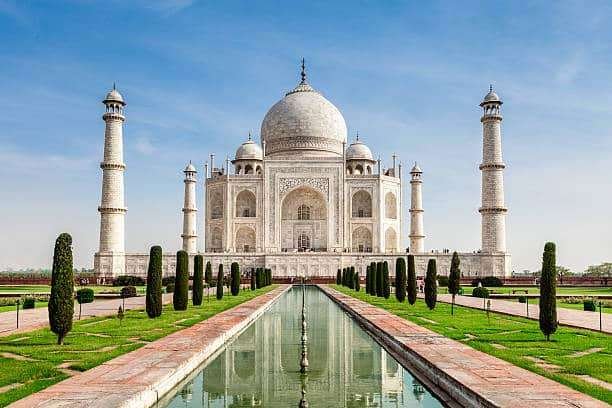
The Taj Mahal stands not only as a stunning monument but also as a sublime representation of architectural artistry and design excellence. Commissioned in the 17th century by Mughal Emperor Shah Jahan, the mausoleum was designed to house the tomb of his beloved wife, Mumtaz Mahal. Its layout is an exemplary depiction of symmetrical harmony, meticulously planned to echo the principles of Islamic architecture. The main structure is set upon a raised platform, flanked by lush gardens and reflecting pools that enhance its serene beauty.
The primary material utilized in the construction is white marble, which was sourced from Makrana in Rajasthan, known for its high quality. This marble is not only visually striking due to its purity and sheen, but it also offers unique reflective qualities, changing hues throughout the day. During sunrise, the Taj Mahal radiates a soft glowing pink, while in the moonlight, it assumes a captivating silvery hue. The intricate inlay work of semi-precious stones, including lapis lazuli, jade, and turquoise, creates detailed floral patterns and calligraphic inscriptions, embellishing its facade with an air of opulence.
In addition to Mughal elements, the design of the Taj Mahal incorporates a blend of Persian and Indian styles, making it a quintessential example of Indo-Islamic architecture. The large dome, flanked by four smaller domes, is not only an iconic silhouette but also serves a functional purpose by allowing natural light to illuminate the interior. The minarets that rise gracefully from the corners of the platform further accentuate the monument’s verticality, designed with a slight tilt outward for structural stability and aesthetic grace.
Construction Timeline and Challenges
The construction of the Taj Mahal commenced in 1632, during the reign of Mughal Emperor Shah Jahan, and was completed in 1653, taking approximately 21 years to finalize. This magnificent structure was built as a mausoleum for Shah Jahan’s beloved wife, Mumtaz Mahal, who tragically passed away during childbirth. The Taj Mahal stands as a testament to their enduring love, but its construction was fraught with various challenges that tested the limits of architectural ingenuity and resource management.
One of the primary challenges faced during the construction was the logistical management of the vast workforce. It is estimated that around 20,000 artisans, laborers, and craftsmen were involved in the project. Coordinating such a large group required meticulous planning and robust systems of supply and communication, particularly in a time when technology was far less advanced than today. This monumental effort necessitated not only unyielding commitment but also a high degree of craftsmanship to create the stunning details that characterize the Taj Mahal.
Additionally, the sourcing of materials posed significant difficulties. The white marble used for the Taj Mahal was quarried from Makrana, located in Rajasthan, and transported over long distances. Alongside marble, precious and semi-precious stones were incorporated into the building, necessitating careful allocation of resources to ensure the project maintained its intended grandeur.
Technical obstacles further complicated the construction. Engineers and architects faced challenges with the design, particularly in achieving the massive dome and intricate details of the structure without modern tools. Innovative methods and a deep understanding of materials and architecture were crucial to overcoming these challenges, underscoring the Taj Mahal’s status not only as a symbol of love but also as a remarkable achievement in engineering and artistry.
The Taj Mahal in History
The Taj Mahal, a UNESCO World Heritage Site and an iconic representation of Mughal architecture, was commissioned in 1632 by Emperor Shah Jahan in memory of his beloved wife, Mumtaz Mahal. Upon its completion in 1648, the magnificent structure not only served as a mausoleum but also became a symbol of the heights achieved by the Mughal Empire at its zenith. Its intricate artistry, pristine marble façade, and the contemplative gardens surrounding it stand as a testament to the sophisticated engineering and artistic prowess of its time.
During the Mughal era, the Taj Mahal functioned as a reflection of the empire’s wealth, power, and cultural diversity. The monument attracted scholars, poets, and artists, fostering an environment of intellectual discourse and creativity. It was during these times that the Taj Mahal became steeped in numerous historical narratives, often being used in political propaganda to justify the Mughal Empire’s supremacy over its rivals.
However, as colonialism began to rise, the perception of the Taj Mahal shifted remarkably. In the 18th and 19th centuries, British colonial rulers began to view this architectural marvel through a different lens—one defined by nostalgia and elegance rather than by imperial grandeur. During this period, the monument fell into a state of disrepair, largely due to neglect and the priorities of colonial governance that often overlooked the underlying cultural significance of such structures.
In contemporary times, the Taj Mahal has emerged as a symbol not just of India’s rich history but also of the struggles surrounding preservation amid the challenges of industrialization and environmental concerns. It represents various historical contexts, embodying both the opulence of the Mughal era and the complexities of colonial interactions that have shaped its legacy over the centuries.
Preservation Efforts and Restoration
The Taj Mahal, a UNESCO World Heritage site, has long captured the admiration of visitors and historians alike. However, its grandeur has faced significant threats over the years, particularly from pollution and environmental degradation. These challenges have prompted a range of preservation and restoration efforts aimed at ensuring this architectural masterpiece remains vibrant for future generations.
Initially constructed in the 17th century, the pristine white marble of the Taj Mahal has shown signs of discoloration and erosion, primarily due to air pollution from nearby industrial activity. To combat this, several restoration projects have been undertaken. Noteworthy among these is the comprehensive cleaning process initiated by the Archaeological Survey of India (ASI), which employs eco-friendly techniques including mud-pack treatment to remove stains without damaging the marble’s surface. This innovative approach highlights the importance of modern preservation methods in mitigating the effects of environmental factors.
In addition to cleaning, ongoing initiatives focus on air quality management around the Taj Mahal. The Supreme Court of India has mandated various measures to control pollution, such as restricting vehicle access in the vicinity and promoting the use of electric-powered vehicles for transportation. Moreover, the introduction of the Taj Trapezium Zone, an area encircling the monument with strict regulations on industrial activities, demonstrates a committed effort to safeguard the structure from harmful emissions.
Local NGOs and international organizations have also played a vital role in raising awareness and funding for restoration projects. Campaigns aimed at educating the public about the importance of preserving this iconic site have emerged, alongside volunteer programs that encourage community participation in upkeep efforts. These collaborative endeavors are crucial as they unite various stakeholders in a shared mission to protect the Taj Mahal’s legacy.
Cultural Impact and Legacy
The Taj Mahal is not merely an architectural marvel; it serves as a quintessential symbol of love and beauty, profoundly influencing cultural narratives both within India and globally. Its intricate design and romantic backstory have inspired countless artists and writers, leading to a rich tapestry of interpretations across various forms of media. The monument encapsulates the poignant tale of Mughal emperor Shah Jahan and his beloved wife Mumtaz Mahal, allowing it to resonate deeply with audiences far beyond its geographical bounds.
In literature, the Taj Mahal has become synonymous with devotion and loss, reflecting its role as a muse for poets and authors alike. Renowned works often reference the monument as an emblem of unconditional love, elevating its cultural significance. Moreover, the Taj Mahal’s portrayal in films and songs, both in India and internationally, has further solidified its status as a pop culture icon. From Bollywood films to Western movies, the image of the Taj Mahal has been employed to evoke emotions of romance and nostalgia, reinforcing its place in the collective imagination.
The impact of the Taj Mahal also extends to art, inspiring numerous artists to recreate its beauty through painting, photography, and sculpture. Various art movements have drawn upon its aesthetics, exploring themes of love, loss, and eternity. Exhibitions focusing on the Taj Mahal have appeared in art galleries around the world, showcasing its influence on global artistic trends. Furthermore, as a UNESCO World Heritage Site, the Taj Mahal contributes significantly to discussions surrounding heritage preservation and cultural tourism. This recognition reinforces its legacy as a monument not only of architectural splendor but also of enduring love, appealing to people from all walks of life.
The Taj Mahal, an iconic symbol of love and an architectural marvel, attracts millions of visitors each year. Tourists from across the globe come to witness its magnificent beauty, which is most stunning during sunrise and sunset when the marble glows in hues of pink and orange. Planning a visit to this UNESCO World Heritage Site can enhance the overall experience and appreciation of its historical context.
To ensure a seamless visit, it is advisable to arrive early in the morning, as this is when the site is less crowded and the weather is typically cooler. Weekdays also tend to see fewer visitors compared to weekends, allowing for a more relaxed exploration of the grounds. The Taj Mahal is open from sunrise to sunset, and the best months to visit are from October to March when the weather in Agra is pleasant.
Visitor facilities have been enhanced over the years, and amenities such as guided tours, multimedia exhibits, and well-maintained pathways contribute to a meaningful experience. For those interested in delving deeper into the history of the Taj Mahal, audio guides and expert-led tours are available to provide valuable insights into its design, construction, and the romance behind its inception.
Photography is allowed, but visitors are advised to be respectful of the site’s sanctity and adhere to designated areas to avoid disturbances to other guests. Visitors should also familiarise themselves with the entry regulations, such as restricted items and attire, to fully enjoy their experience without any interruptions.
In summary, the Taj Mahal offers more than just a visual feast; it presents a profound educational experience for all. By carefully planning their visit and utilizing available resources, tourists can ensure they appreciate this timeless monument to love to its fullest extent.
Conclusion
The Taj Mahal stands as a monumental symbol of love, transcending time and geography. Built in the mid-17th century, this magnificent mausoleum not only embodies the deep affection Shah Jahan had for his beloved wife, Mumtaz Mahal, but also showcases the pinnacle of Mughal architecture. Today, the Taj Mahal is recognized globally, drawing millions of visitors who come to admire its grandeur and to understand the poignant love story behind its creation.
In contemporary society, the implications of the Taj Mahal extend beyond just a historical artifact; it serves as a reminder of the enduring nature of love and commitment. As a UNESCO World Heritage Site, it is protected and celebrated, symbolizing the cultural richness of India. Moreover, the intricate artistry and architectural brilliance of the Taj Mahal promote the importance of preserving such monumental legacies for future generations.
The significance of the Taj Mahal is not limited to its physical structure; it resonates deeply within the realm of art and history. The influences of the Taj Mahal can be seen in various forms of artistic expression, from literature to modern architecture, perpetuating the timeless narrative of love. Therefore, as we reflect upon the history of the Taj Mahal, it emerges not only as a mausoleum but also as a historical artifact that encapsulates the very essence of human emotion, artistry, and cultural heritage.